
Built for All Time
The Enduring Philosophy of Fergus Garber Architects
Fergus Garber Architects was founded in Chicago in 1988 by Catharine Fergus Garber, at a time when the firm was quite literally a one-person operation. Working from a small office, with her infant son often nearby, Catharine established a practice rooted in care, discipline, and an early belief that architecture should serve the long arc of a client’s life, not a passing moment.
The firm relocated to Palo Alto in 1997, a move that would prove formative. Over the decades since, Fergus Garber Architects has grown into a respected Peninsula-based residential architecture firm with a staff of 25 and a leadership team that includes partners Gina Dixon and Kristen Lomax, who are positioned to guide the firm into its next chapter. Throughout that growth, the founding philosophy has remained consistent: to design homes that reflect and support the lives of their owners over time.
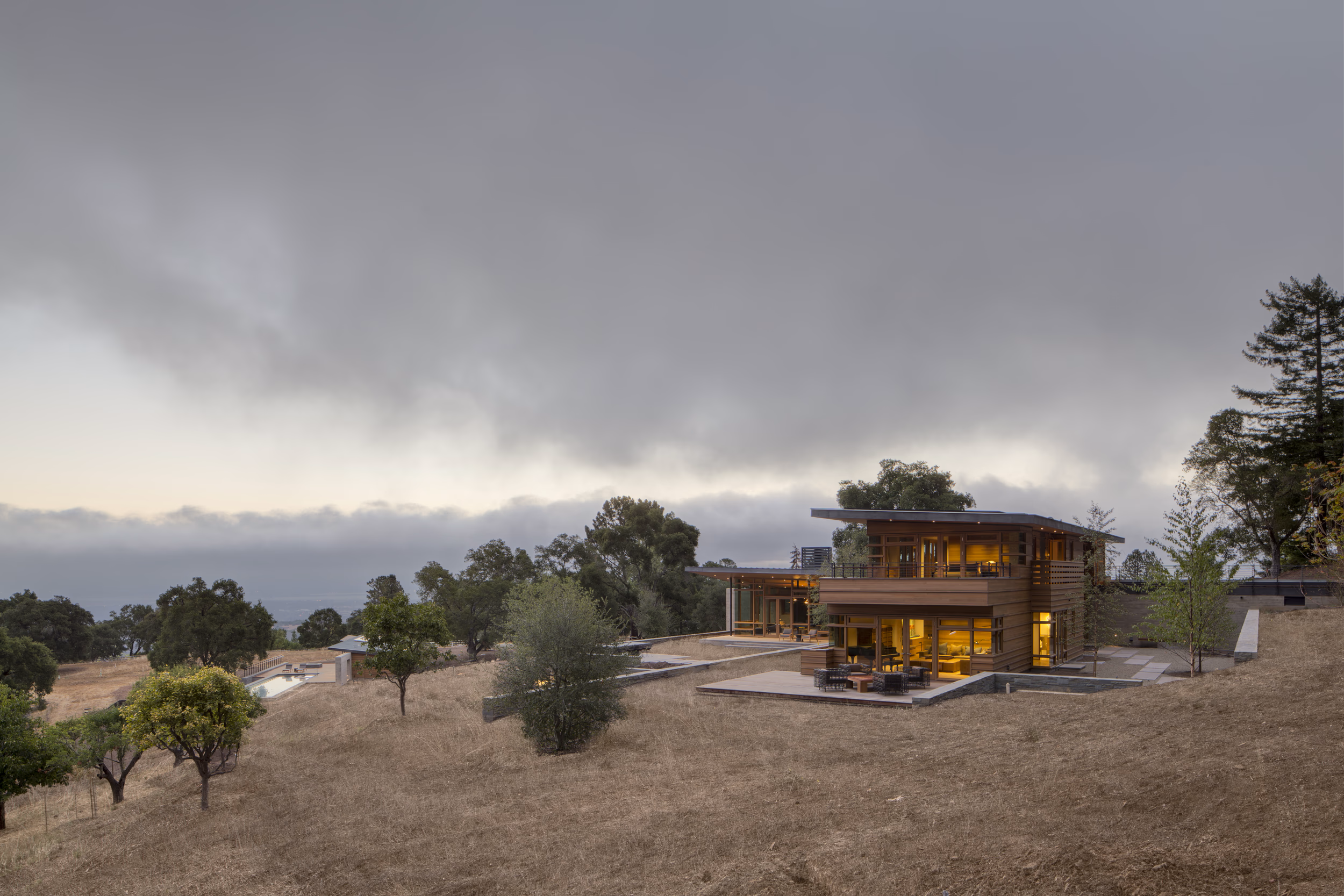
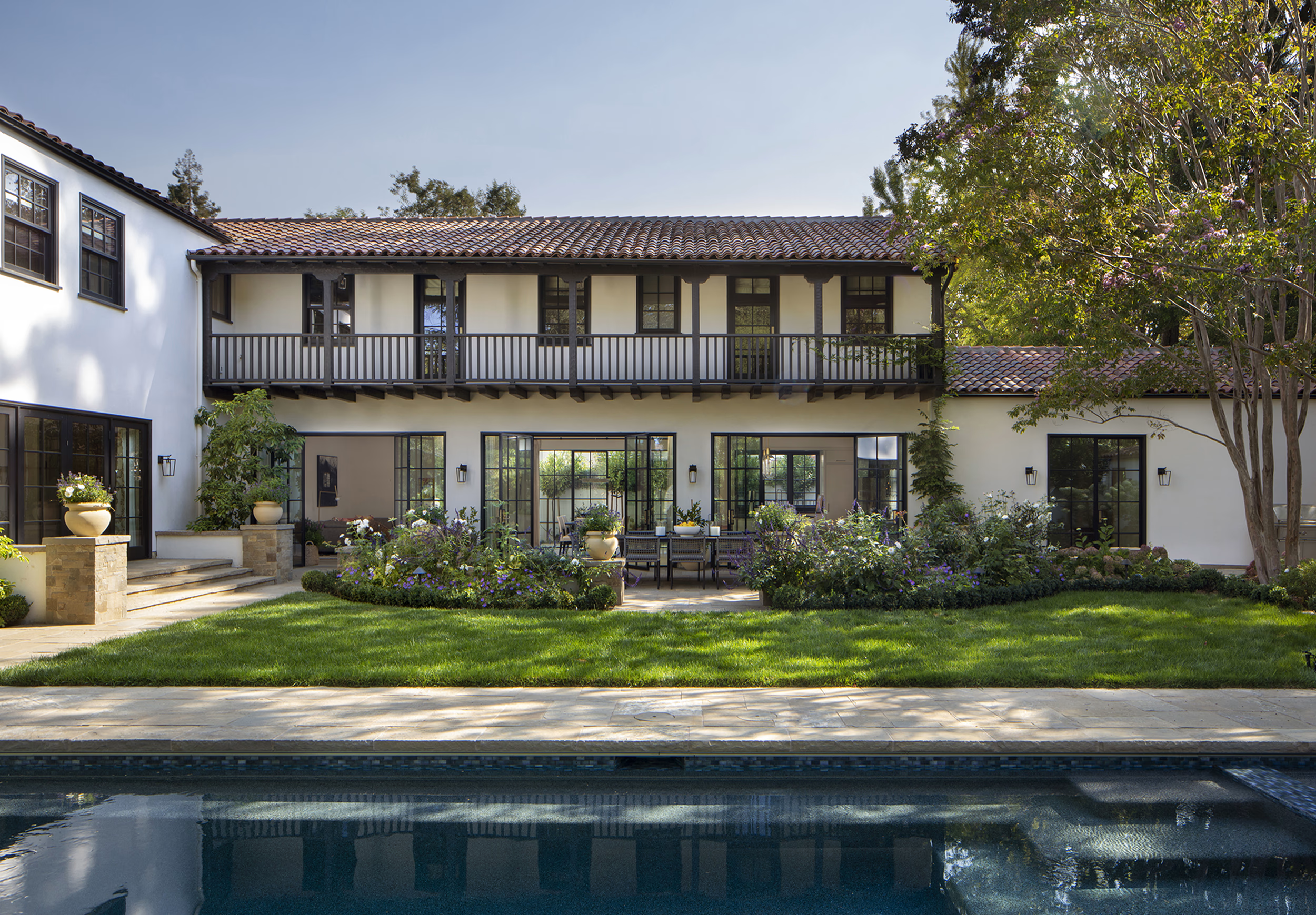
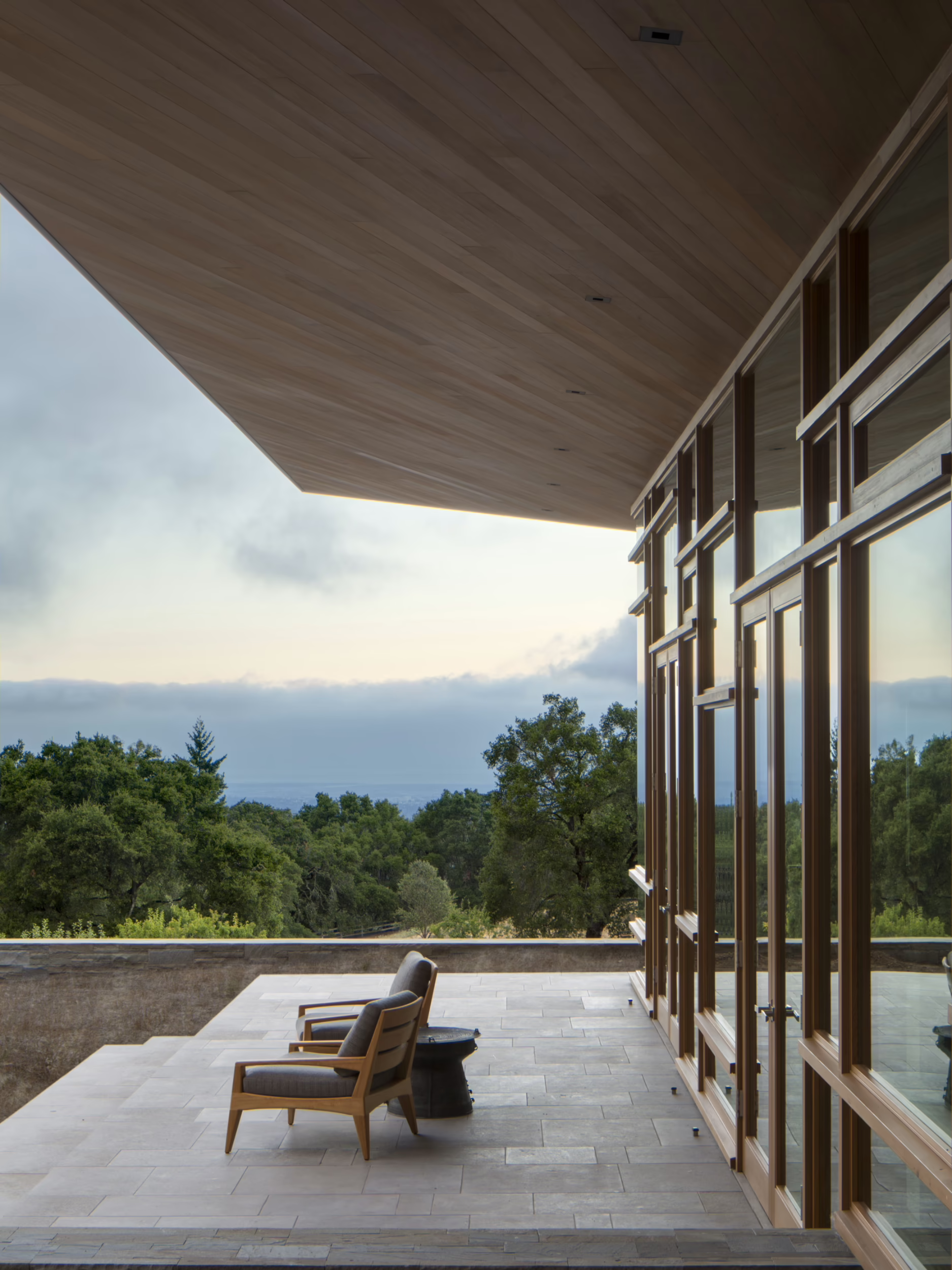
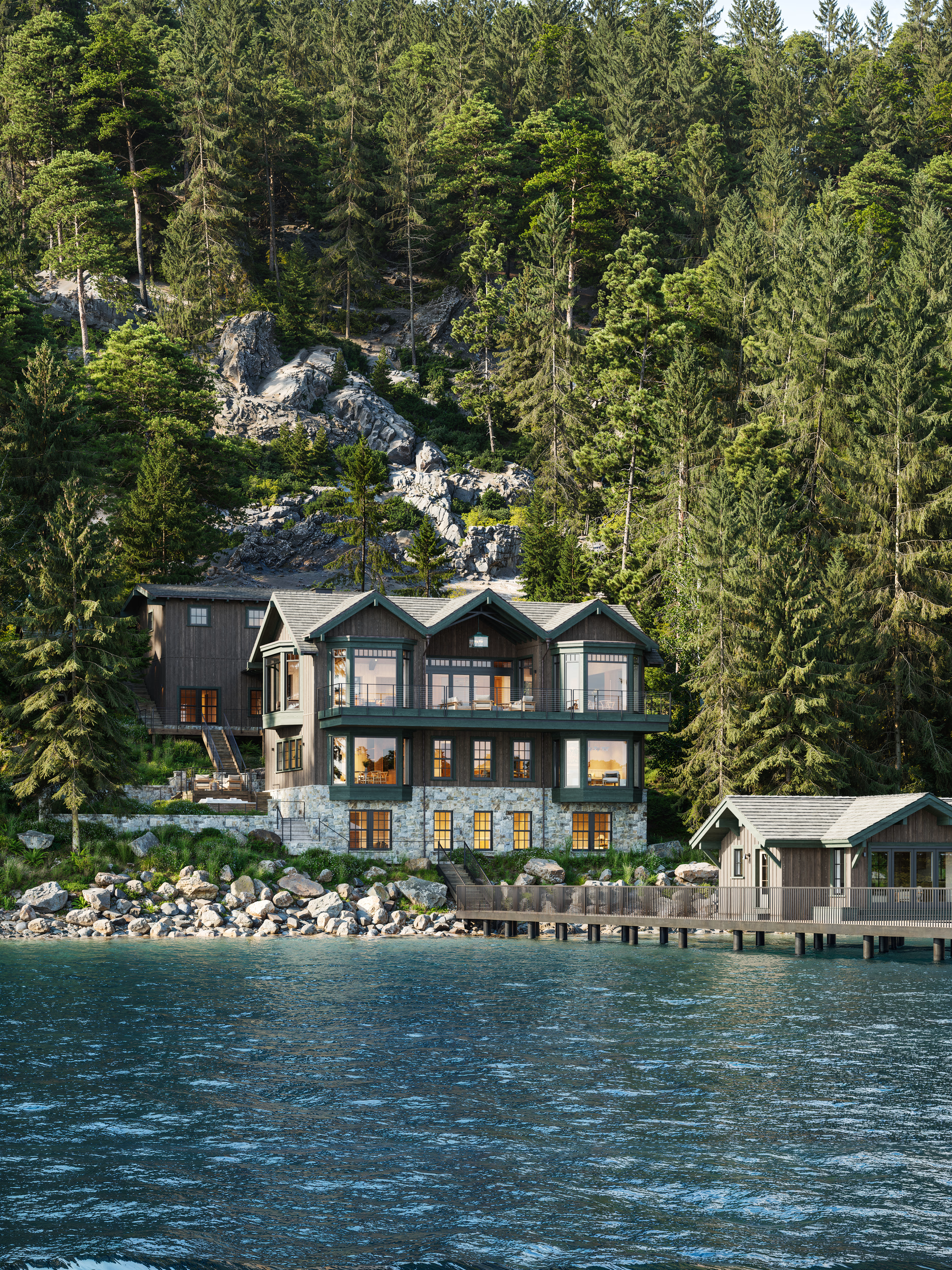
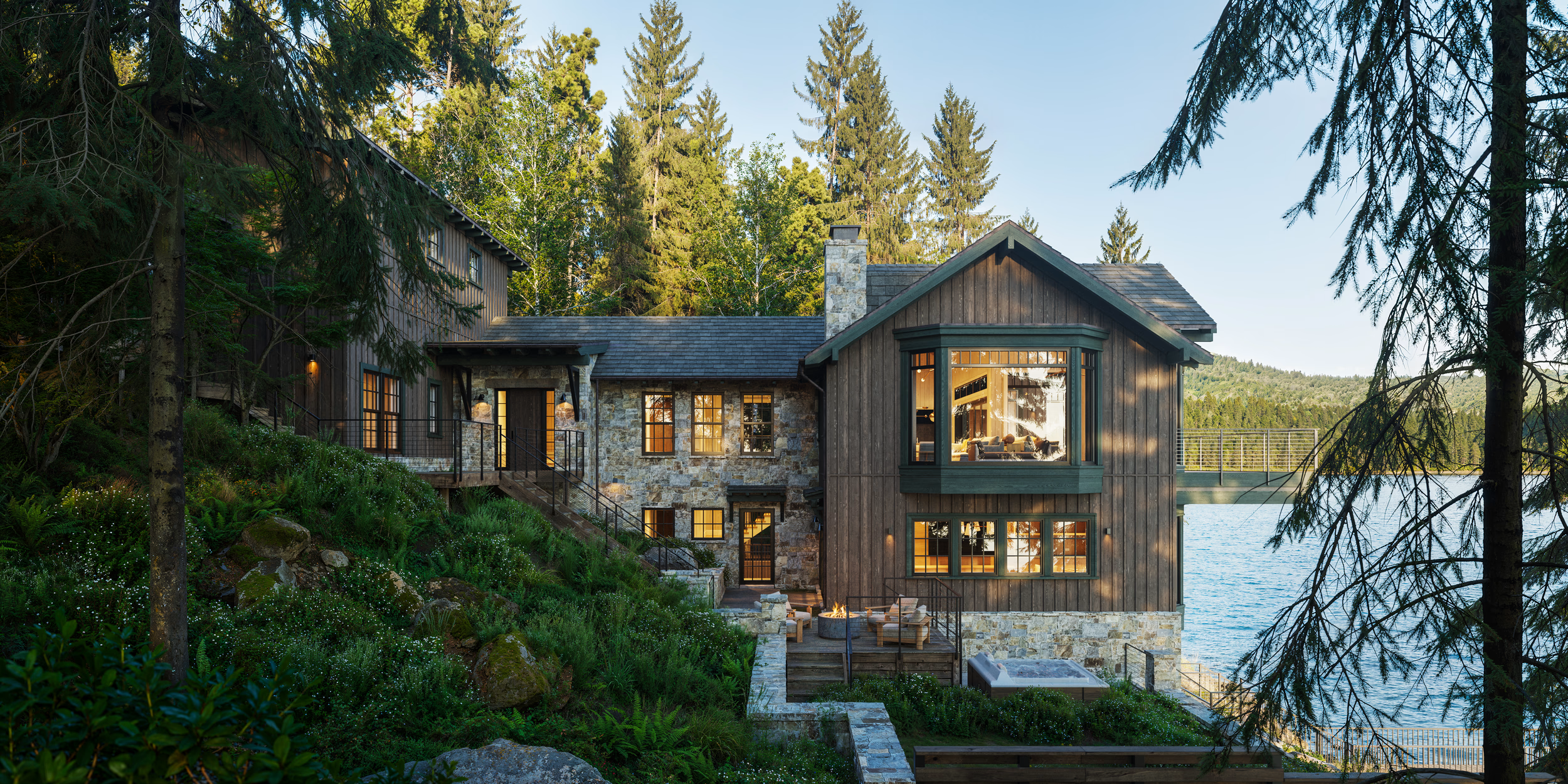
As a result, FGA is not associated with a single architectural style. Instead, the firm is known for designing high-quality custom homes across a wide spectrum, including traditional, transitional, and contemporary residences, as well as thoughtful renovations of historic houses. What unites the work is not a look, but an approach.
A Service-Oriented Practice
Partner Gina Dixon describes FGA as a service-oriented firm, a distinction that has shaped both the firm’s culture and its portfolio. Rather than beginning with a predetermined architectural language, each project begins with listening. The work evolves through conversation, exploration, and a shared process of discovery.
Dan Garber, who joined the firm full time in 2002 after a career in large-scale commercial architecture, often contrasts this approach with that of product-driven architects whose work is defined by a singular style. At FGA, the emphasis is on understanding what is meaningful to each client, and then translating that understanding into architecture that feels authentic, lasting, and personal.
This philosophy has fostered long-term relationships. Some clients return decades later, still living in and loving homes originally designed by the firm. For the Garbers, these stories are a quiet confirmation that architecture, when done with care, can age gracefully alongside the people who inhabit it.
Grounded in Place and Experience
Dan Garber’s background includes work at Skidmore, Owings & Merrill, followed by roles in real estate management and consulting. His experience improving business systems for architectural firms led to his election as a Fellow of the American Institute of Architects in 2014. He is also a scholar of the San Francisco Peninsula, a region whose layered architectural history continues to inform the firm’s work.
Since settling in Palo Alto, Fergus Garber Architects has become closely associated with residential architecture throughout the Peninsula and beyond. The firm is particularly respected for its understanding of local context, including climate, landscape, and historic precedent.
That sensitivity is evident in the firm’s admiration for architect Birge Clark, whose Early California work helped shape Palo Alto’s architectural identity. Clark’s legacy of placing clients first, rather than adhering rigidly to style, serves as a meaningful reference point for FGA’s own practice. The firm has also renovated several of Clark’s homes, deepening its connection to the region’s architectural lineage.
Designing for Change Over Time
While FGA projects vary widely in style, they tend to share certain underlying qualities. Plans favor clarity and simplicity. Rooms are generous without being excessive. Circulation is intuitive. These elements create what Dan Garber refers to as “strong bones,” allowing homes to adapt as families and lifestyles evolve.
Clients with young children are often encouraged to imagine how they will live in the house decades later, once those children are grown. This long-view perspective informs decisions about layout, flexibility, and durability, helping ensure that homes remain relevant and comfortable through many stages of life.
Trend-driven design is intentionally avoided. Longevity, not novelty, is the goal.
A Culture of Craft and Collaboration
Partner Gina Dixon joined Fergus Garber Architects after relocating to Mountain View. Drawn by the firm’s culture and the quality of its work, she found an office environment shaped by mentorship, collaboration, and mutual respect. Her background includes formal training in traditional architecture, a love of fine detail, and hands-on experience with carving and materials.
Over time, Dixon embraced a broader architectural vocabulary, shaped in part by the diversity of the Bay Area’s built environment. Working in a region where historic homes and contemporary architecture coexist thoughtfully reinforced the idea that good design transcends style when it is rooted in intention and care.
At FGA, every project is led by a partner, with initial meetings attended by at least two partners to ensure a range of perspectives. This collaborative leadership model helps clarify client goals early and builds confidence as the design process unfolds.
Sustainability as a Design Foundation
Sustainability has long been embedded in the firm’s work, beginning with the belief that homes should be designed to endure. Beyond that, FGA benefits from the expertise of an in-house sustainability manager, Luke Morton, an environmental engineer who also lectures at Stanford University.
This integrated approach allows the firm to achieve high levels of environmental performance without compromising architectural quality. Energy efficiency, building performance, and long-term resilience are addressed as part of the design process rather than as add-ons.
An Enduring Practice
As Fergus Garber Architects looks toward the future, the firm’s continuity is grounded in shared values and a strong leadership team. The transition to the next generation of partners reflects a commitment to maintaining the same level of design rigor, service, and personal engagement that has defined the firm for decades.
Built for all time is not a slogan at FGA, but a guiding principle. Through careful listening, thoughtful design, and an unwavering focus on longevity, the firm continues to create homes that support the lives within them, today and for many years to come.
Original Article by Laurel Delp